

Winter, especially January, is usually the cheapest time of year to rent an apartment, while summer brings the most new listings and the most competition. National data shows rents dipping from summer peaks into January, but your local market and your current move-out date matter more than any national average.
What is the best time of year to rent an apartment?
For the lowest rent, it is usually winter, with January standing out in recent national data.
Apartment List’s study “What Time of Year Is Rent Cheapest? (2026)” (November 9, 2026) found that “January had the lowest national median rent within the November-to-March window in all four completed cycles, from summer 2022 through winter 2026.” In that study, each year’s summer peak fell between June and August.
Rents are roughly flat right now and moving through their seasonal dip. The Apartment List National Rent Report (October 28, 2026) put the national median at $1,384 in October, down 0.3% from September and up 0.1% from a year earlier. The Realtor.com October 2026 Rent Report found that the median asking rent for studio, one- and two-bedroom units in the 50 largest U.S. metros rose $1, or 0.1%, year over year to $1,692. Local markets vary, so treat national figures as a guide.
What is the cheapest month to rent?
January is most often the cheapest month nationally, with February close behind.
Zillow’s guide “When Is the Best Time to Rent an Apartment?” (September 25, 2025), based on 2024 data, says “the winter months of January and February are the best time to look,” and that among the 50 largest metros, “all but 11 had the lowest average rents in January.” Apartment List found that across four cycles, “the national median fell by $41 to $52 per month from its summer peak to its January low,” a drop of 2.9% to 3.6%.
Exceptions exist. Zillow’s 2024 data showed rents in Oklahoma City were lowest in April, and in Denver lowest in December.
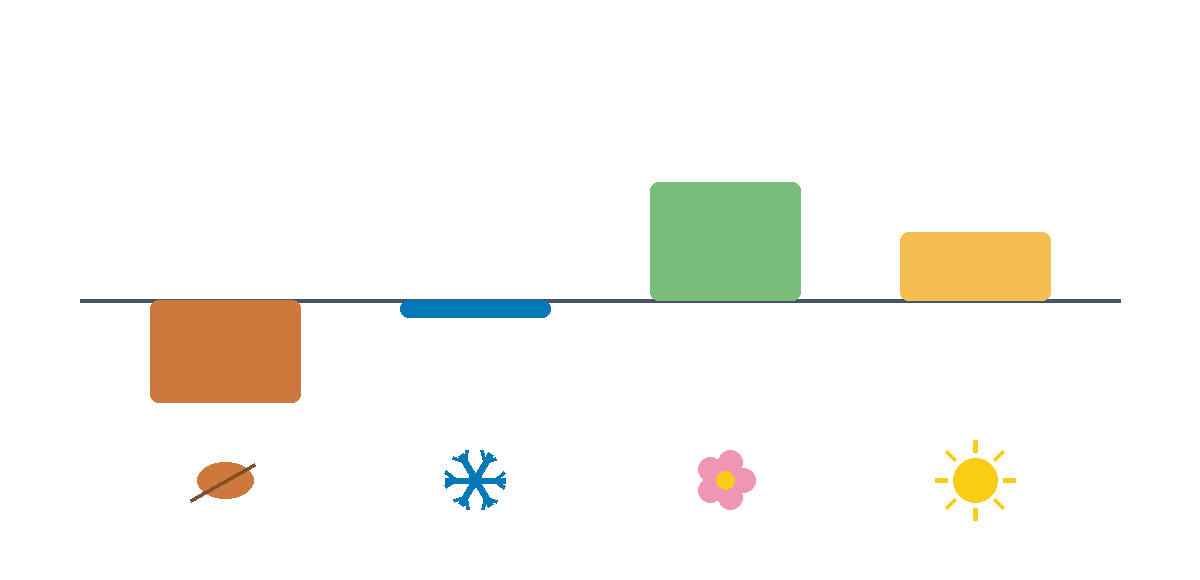
| Season | Average monthly rent change (Apartment List) | Competition and selection (Zillow, 2024 data) |
|---|---|---|
| September to November | -0.6% | Searches lowest in November and December |
| December to February | -0.1% | Lowest rents in January and February; concessions peaked in December |
| March to May | +0.7% | Competition builds; May tied for most competitive |
| June to August | +0.4% | Most new listings; June tied for most competitive |
Apartment List also found that “The national median rent fell by an average of 0.8% from October to November, the steepest average monthly decline in the years we analyzed.” It notes that “A single year can run ahead of or behind the pattern.”
How much can you save by renting in winter?
Nationally, the dip has been worth roughly $40 to $60 a month, but there is no guaranteed saving in your market.
Apartment List gives a simple example: “If a later lease quote is $46 less per month, you’d save $552 in rent over 12 months.” Zillow’s 2024 data found that a renter in January 2024 “would have paid $60 less a month, on average, for a typical apartment than if they’d rented in August,” which “amounts to an extra $720” over a year.
The pattern is broad but not universal. Apartment List found that among the 100 largest U.S. cities, “90 saw the median fall from summer peak to winter low in all four cycles.” For budget math, see how much rent can I afford.
When is there the least competition from other renters?
Late fall and early winter, when fewer renters are searching.
Zillow’s 2024 data found that “Renter searches on Zillow Rentals – an indication of demand – were lowest in November and December,” with November searches 78% lower than the peak month. Zillow also found that “May and June tied for the month with the most competition.”
Landlords may offer more incentives now. Zillow’s 2024 data showed concessions “peaked in December, when 41% of rentals came with concessions.” The Apartment List National Rent Report found that in October 2026, 32% of multifamily properties offered concessions worth one month of free rent or more.
Are there downsides to renting in winter?
Yes: the move itself can be harder, and your timing may not line up with your current lease.
- Selection: Zillow says winter brings slower demand and fewer rentals, though it also says low-demand months are when you may find the most options at lower prices. Expect a different mix of listings, not necessarily a worse one.
- Weather: snow and ice can complicate moving day.
- Holidays: landlords, property managers and movers may have limited schedules.
- Double rent: if your current lease ends at a different time, overlapping rent can wipe out a winter discount.
Compare the monthly saving with the real cost of waiting, including any overlap, storage or moving costs.
When is the best time to look if you want the most choices?
Summer usually brings the most new listings, along with higher rents and more competition.
Zillow’s guide (2024 data) says “Summer has the widest selection of rentals while winter has the lowest rents of the year,” and that summer is “when the most new listings hit the market.” If you need a specific layout or neighborhood, a summer search may be worth the higher rent.
How do you get a winter deal without overpaying for the move?
Start comparing early, ask about move-in specials, and have your documents ready so you can act quickly.
- Start watching listings in late fall to learn normal prices in your area.
- Ask about move-in specials and lease terms; see how to negotiate rent for what to say.
- Ask the landlord whether a lease end date in a slower month, such as a 13- or 14-month term, is possible, so your next renewal does not land in peak season.
- Gather your paperwork early with our list of documents needed to rent an apartment.
- Moving from another state this winter? See how to rent an apartment out of state.
How does Apartment One help when you’re ready to move?
Apartment One lets you screen once and see rentals you qualify for, so you are ready when a good winter listing appears.
Apartment One is an online platform where renters complete a verified background and credit screening once, then get matched to rental properties they qualify for, while landlords list properties for free and receive pre-screened applicants.
Renters screen once for credit (FICO 9 from Experian), eviction and criminal records, and get a shareable report. To focus your search, see apartments you qualify for. Quick Screen is $35 one-time for a screening report only, and Tenant Plus is $60 one-time for screening plus access to matched property listings. Pricing can vary by state, so check Apartment One’s pricing page.
The Tenant Fit Index (TFI) is Apartment One’s 0-100 score matching a renter to a property based on credit, income-to-rent ratio, eviction history, criminal history, and lifestyle preferences. The TFI is a tool used alongside written criteria, not a ranking or a decision-maker.
Apartment One is FCRA-compliant and follows GLBA and CCPA data handling. Data is encrypted, and payments are processed through Stripe.
Ready when the right winter deal shows up? Screen once and see rentals you qualify for.
Frequently asked questions
Is it cheaper to rent in December or January?
Nationally, January has usually been cheaper. Apartment List found January had the lowest national median rent in the November-to-March window in four straight cycles, but local markets vary.
Do landlords offer more concessions in winter?
Often, yes. Zillow’s 2024 data showed concessions peaked in December at 41% of rentals, and Apartment List found 32% of multifamily properties offering at least one month free in October 2026.
Should I sign a lease in November?
It can be a good time. Apartment List found October to November had the steepest average monthly rent decline, and Zillow’s 2024 data showed searches were lowest in November and December.
How early should I start looking?
Start watching listings a month or two before your move so you know normal prices in your area and can act quickly when a good option appears.
Do rent prices go down every winter?
Nationally they usually have, but not every year or every market. Apartment List notes that a single year can run ahead of or behind the pattern.